

Oh My Styled Life
What 15 Years in Design Has Taught Twin Cities Interior Designer Emily Anderson
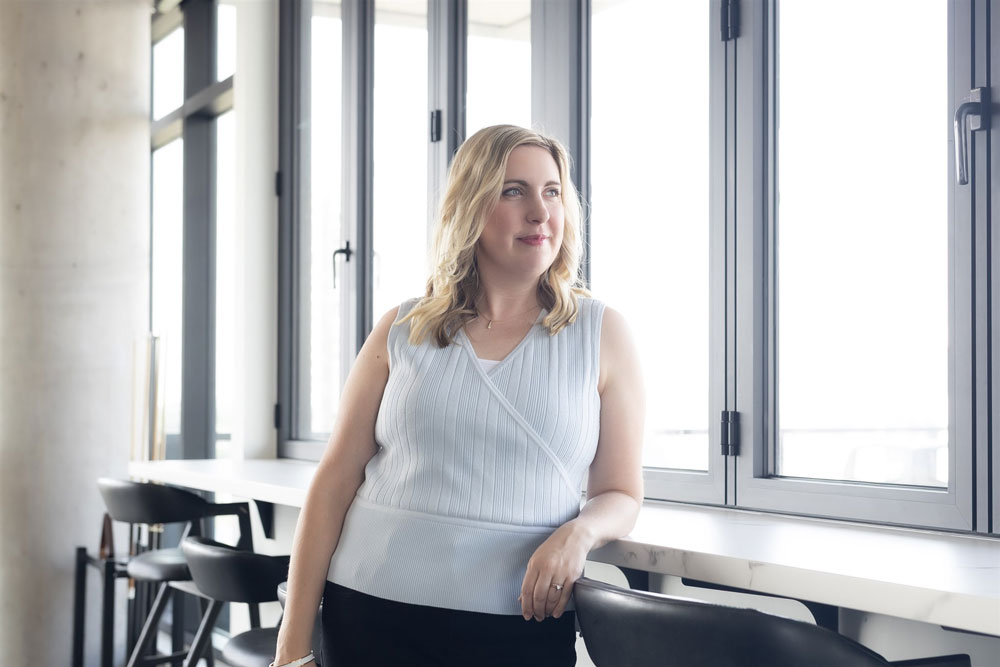
Emily reflects on partnership, versatility, and finding joy in the work
In the world of high-end residential interior design, complex, multi-year projects are the norm. For O’Hara Interiors senior designer Emily Anderson, these are familiar challenges, with each one being an opportunity to stretch her creative wings and work with her favorite partners again.
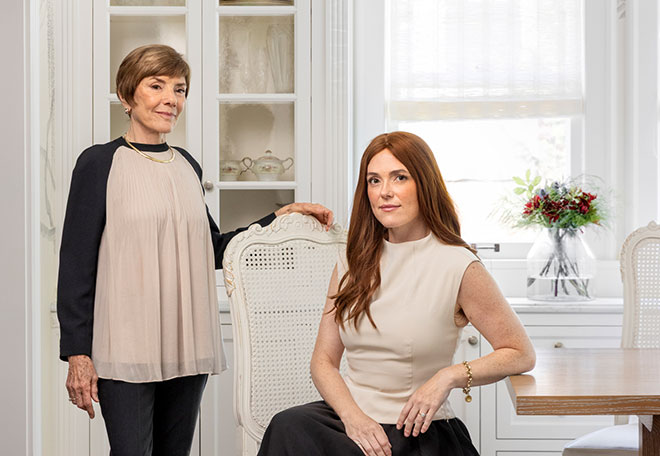
Emily began working for O’Hara Interiors as a summer intern after graduating from UW–Stout and has since become a steady, trusted presence on some of the firm’s most impressive custom homes. Known for her calm demeanor, meticulous organization, and transparent communication, Emily has spent the last fifteen years building genuine partnerships with architects and builders across the Midwest and beyond. Her approach is simple. Make the process smoother for everyone involved, whether it’s her clients, colleagues, or build partners.
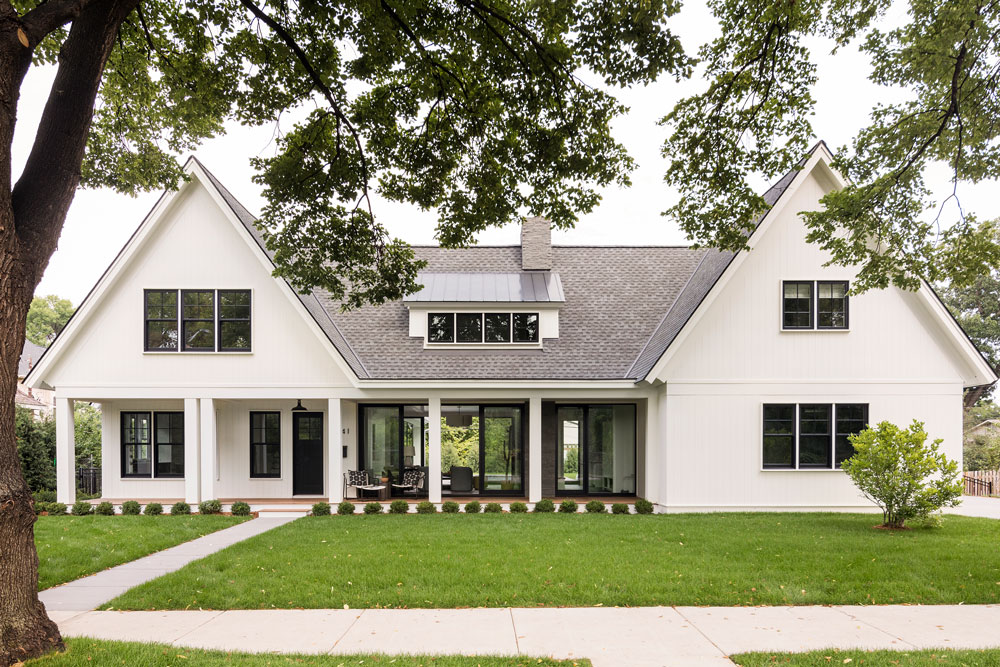
Strong partnerships and a clear focus have allowed her to build an award-winning portfolio, and her work has graced the pages of Artful Living Magazine, Lake Society Magazine, and Midwest Design Magazine. Here are Emily’s reflections on 15 years of Twin Cities interior design and more with O’Hara Interiors:
You’ve been with O’Hara Interiors for 15 years. How have you, and O’Hara Interiors, evolved?
“Even after all this time, I grow and learn something new on each project. I’m grateful to work with clients who give me the opportunity to expand my knowledge and skillset and make me a better designer. As the firm’s reputation has grown over the years, my work has expanded beyond Twin Cities interior design into Wisconsin and now all over the country. It’s been amazing to design these playful houses where people go to relax and reset because the purpose and design aesthetics of these projects can be so different than in the Midwest.”
Over the last decade, one of the firm’s major milestones was the opening of our interior design studio in Austin, Texas. What was that like?
“I used to spend part of each week in Austin, and during that season I was also traveling frequently to Seattle, Chicago, and Indiana. Because we were consistently working in those markets and building relationships to better serve clients there, I got to collaborate closely with some exceptional custom builders and architects across the country. That experience really broadened my professional perspective. Every region designs and builds a little differently, and learning how new teams approach craftsmanship, communication, and problem-solving has made me a much more versatile designer.”
How do you approach collaborating with architects and builders to ensure the design intent is carried through from concept to final installation?
“I always have an open mind, whether I’m doing my first home with a particular team or my tenth. Each firm and each professional works differently, and I pride myself on adapting my process to work efficiently with our partners, while maintaining the integrity of my own team’s project management systems. I always tell builders that my job is to make their life easier, and thus our clients’ lives easier. Communication is the heart of this. I’m transparent, I accept ownership, and I stay organized to keep projects within budget and on track for our timelines. Our clients are trusting us with a major, personal investment and we have a responsibility to work well together.”
What should homeowners look for when hiring an interior designer?
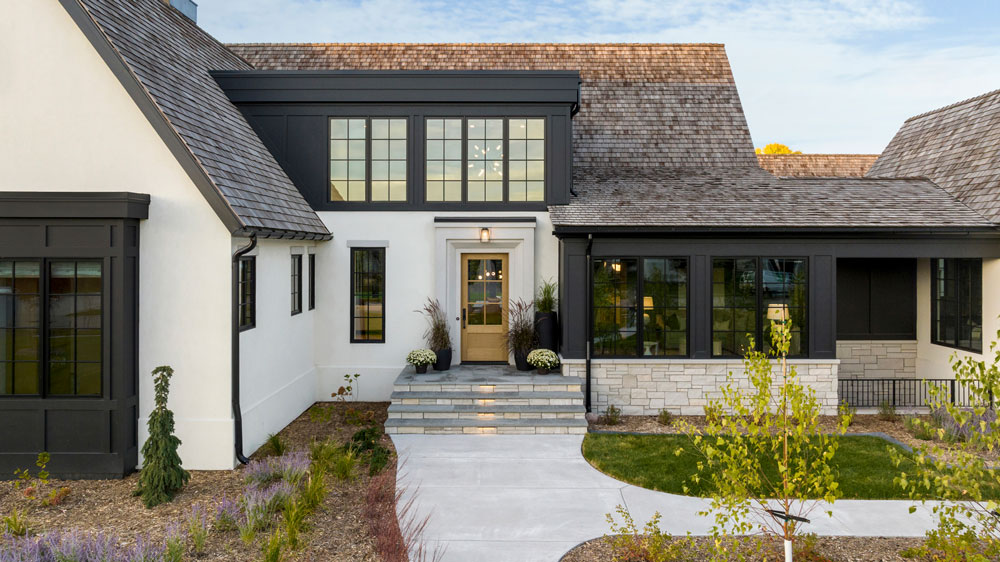
“Experience matters when you’re designing or building something as significant as your home. You should expect that your interior designer has worked on a variety of remodels or build projects and has the resources and expertise to manage the design of the project from start to finish. I also think diversity of design experience is important because that means your designer is a proven creative that can work across styles, locations, climates, and home purposes.”
What are some custom features you’re seeing frequently in Minneapolis interior design right now?
“I’ve been seeing more homeowners want to incorporate secret passageways into their homes. Sometimes it’s for practical reasons, like creating more privacy or security within the layout. Other times, it’s simply about fun, like disguising a doorway that leads to a secret playroom for the grandkids. Including those features involves close collaboration with the architecture team too, which is something I always enjoy.”
What distinguishes a well-designed home from one that simply looks beautiful in photographs?
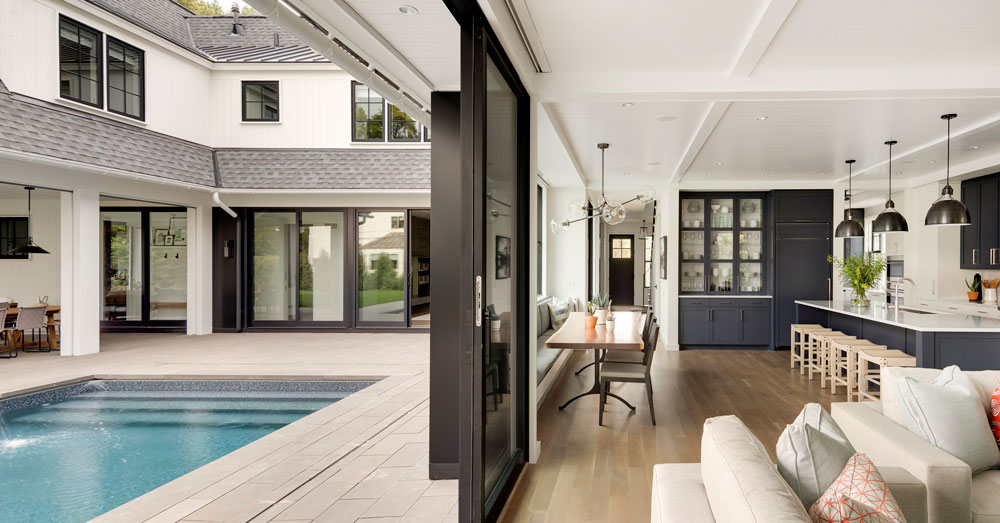
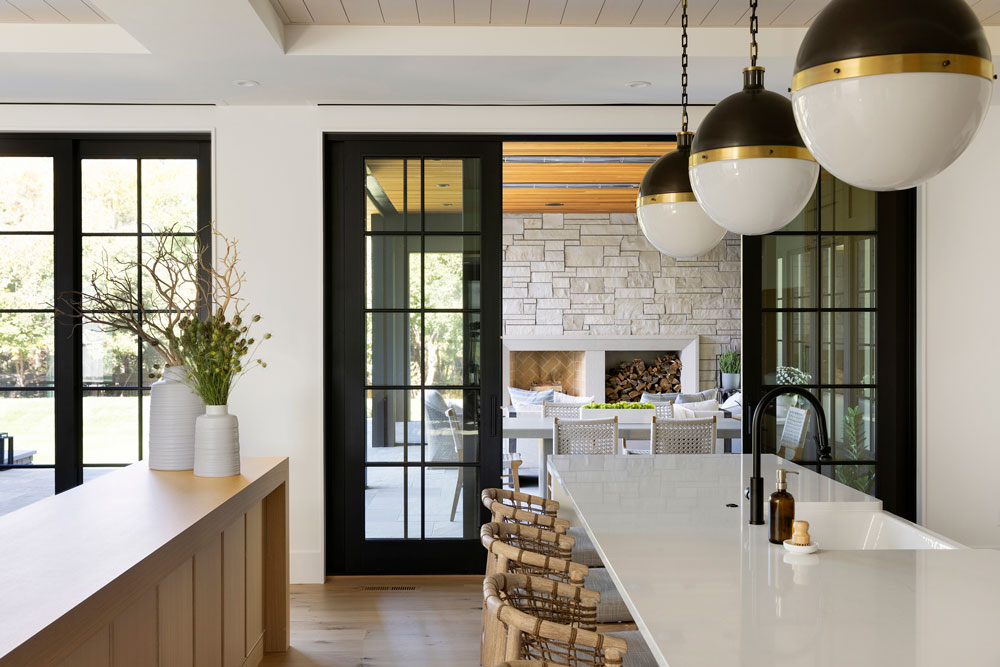
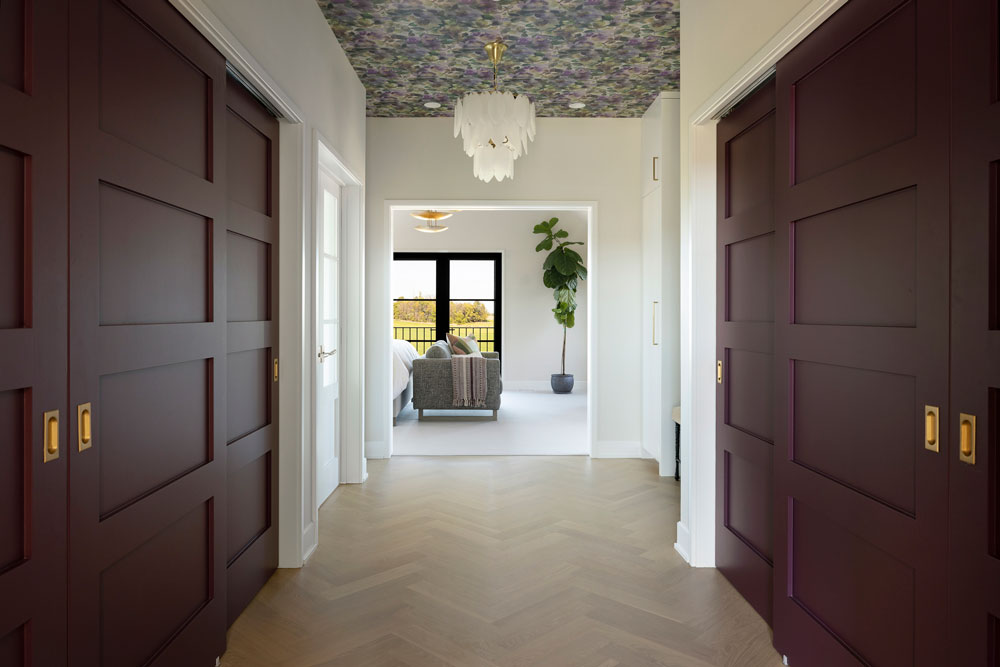
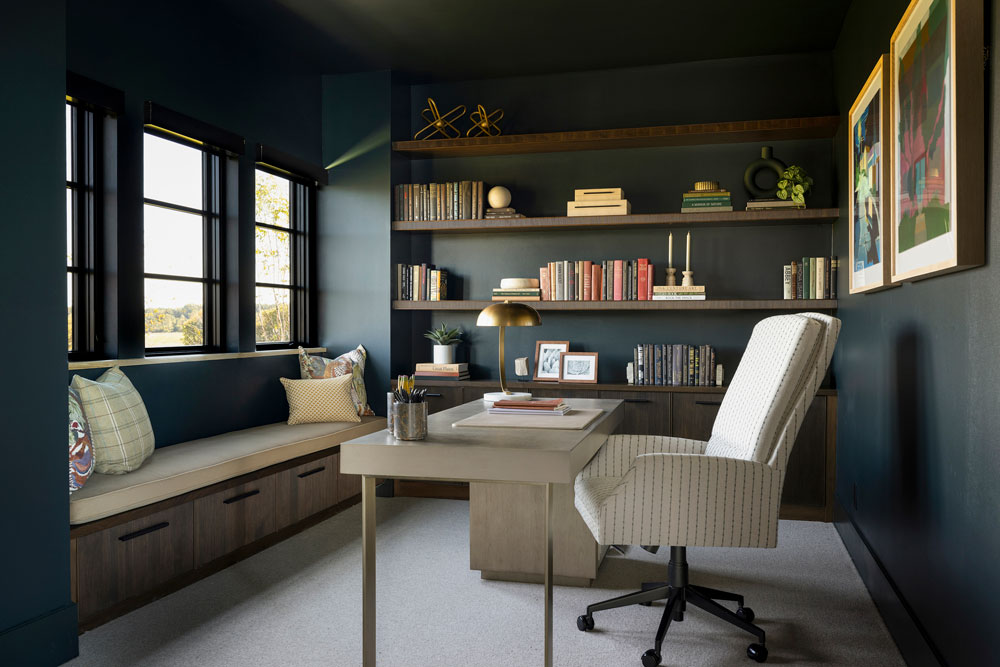
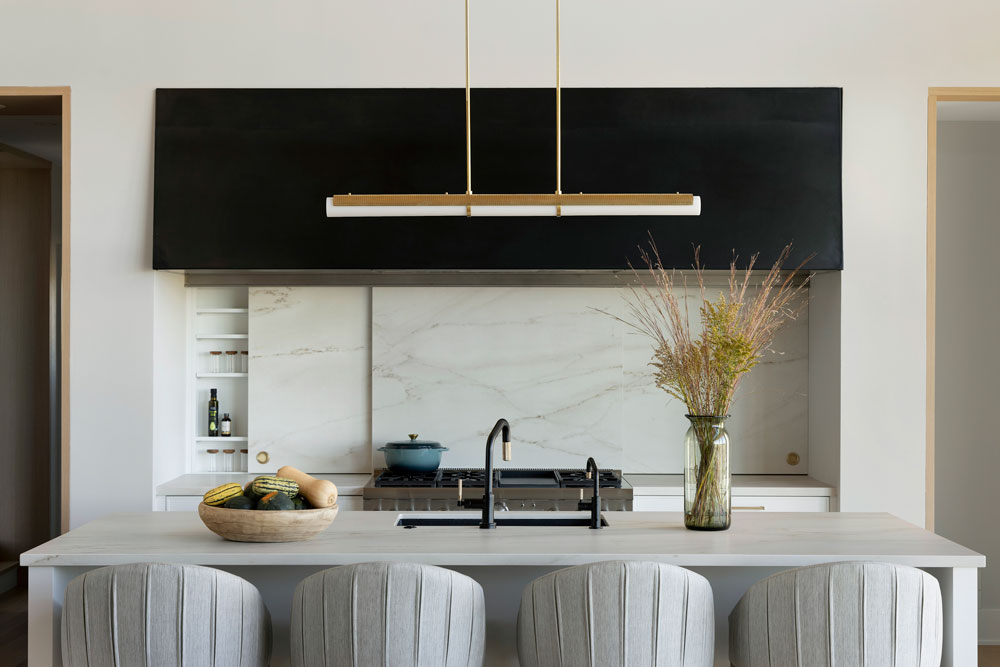
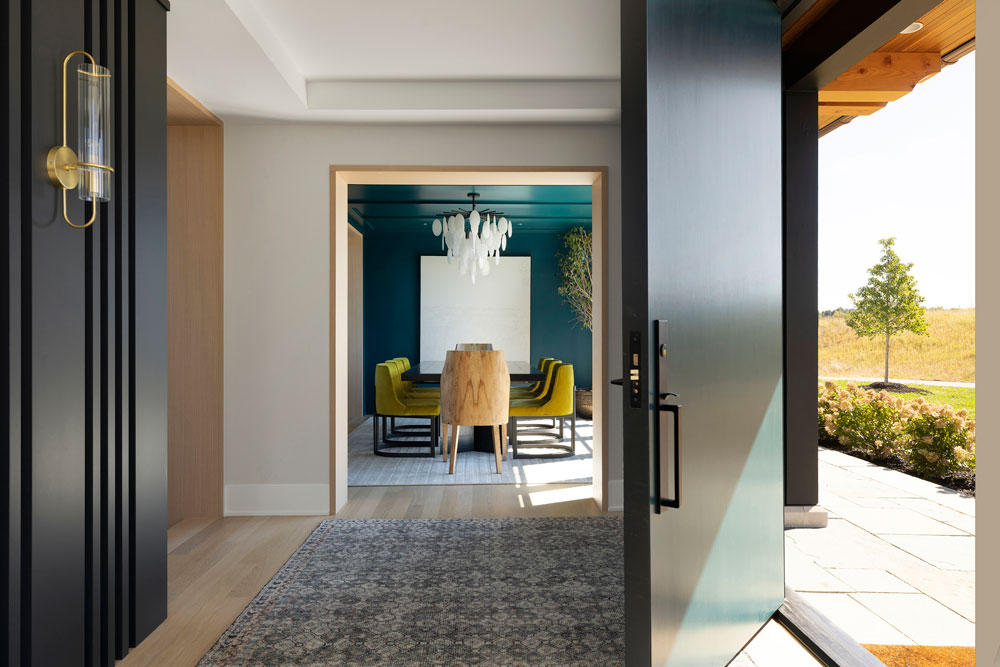
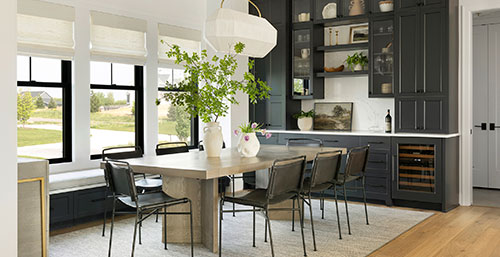
“Good design is as much about function and joy as it is about pure artistry. My design work should make your life easier, especially when your home is accommodating large groups of people like children and grandchildren. What really makes your house a home is the people that live and gather there, so I’m always considering how my design work can make your memories even happier. That means designing expansive kitchens with smart layouts for big, busy dinners, or a beautiful dining room that has enough space to comfortably host guests for long dinners.”
How do you approach designing vacation properties vs. primary residences?
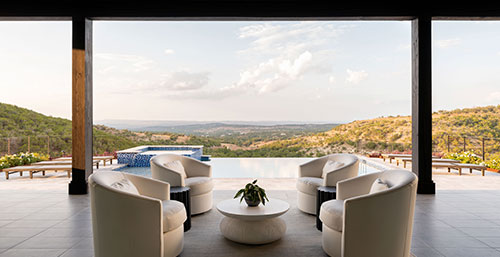
“Designing a primary home versus a vacation home requires a different mindset. A primary residence has to make the mundane feel magical, like your morning routines, work schedules, and storage needs. But for vacation homes, we don’t have to focus as obviously on functionality. For my Twin Cities interior design clients, many families spend summer weekends at their family cabins, so I’ve had plenty of experience designing around lake life. For those lakeside projects, we get to play more with color, texture, layering, and lighting to lean into the ambiance of waterfront living.”
What is something you love to design?
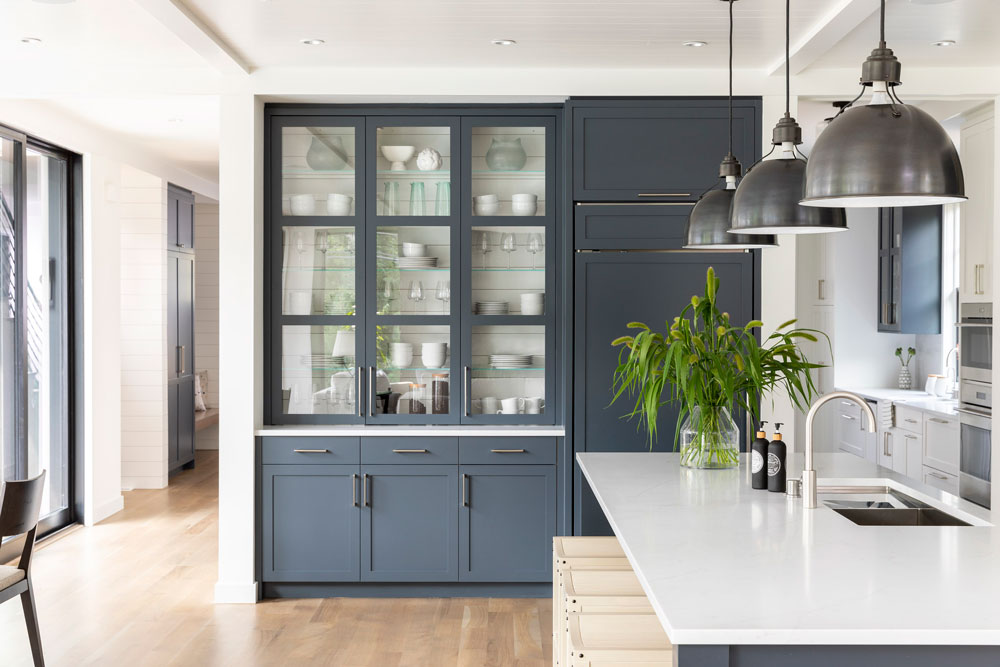
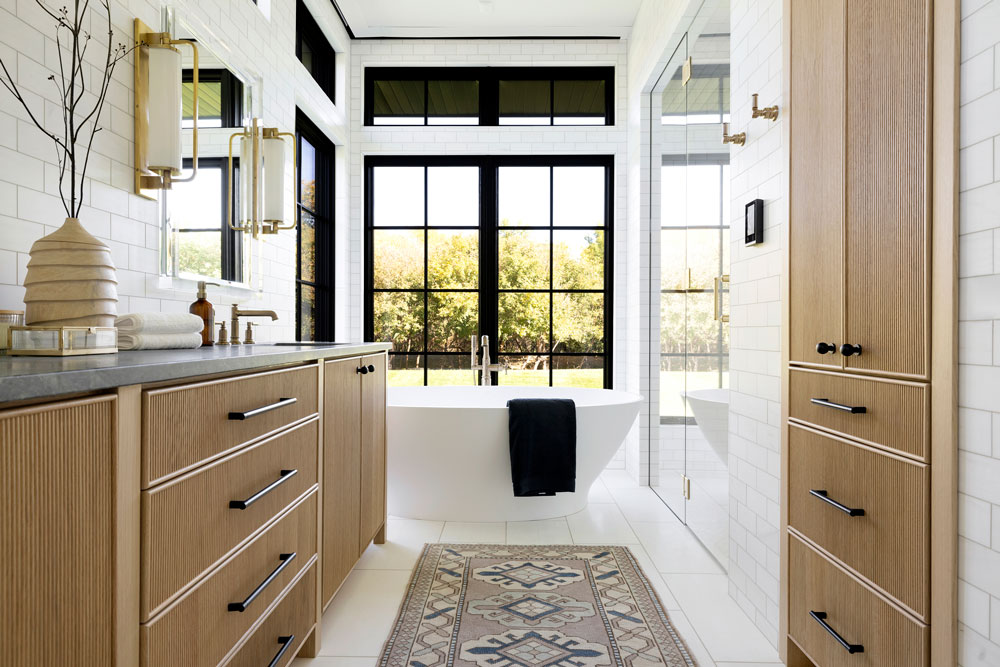
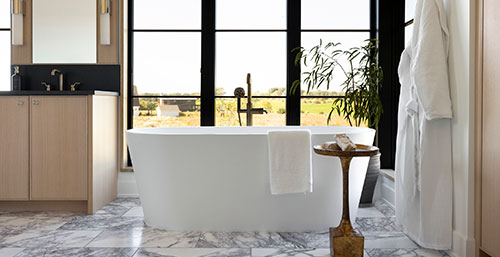
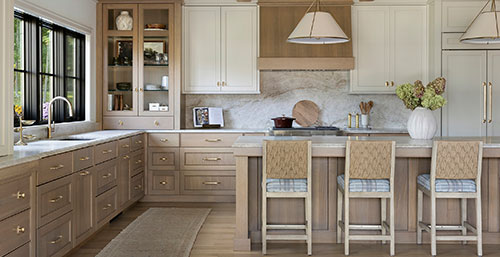
“My favorite element to design is often the cabinetry, in the kitchen or in the bathroom. I work closely with our architecture partners and local artisans to design the exact cabinets that you need.
That involves really getting to know my clients’ routines. How do the doors open, and do you want them to pocket back? What height feels most comfortable for you and your spouse? Do we raise countertops to better suit your frame? Where should outlets and integrated lighting go? In a bathroom, that might mean a dedicated outlet and heat-safe storage for a hair dryer. In a kitchen, it could mean specialized drawers for prep tools based on whether you’re right- or left-handed. There are so many possibilities and details to consider!”

About Us
O’Hara Interiors is a full-service interior design firm specializing in classic design for modern living.